

Top 7 Birds You Can See Near Cali’s KM18 – A Birdwatcher’s Paradise in Colombia

Updated: Aug 13, 2025

If you’re a birder in Colombia, KM18 is your happy place. Perched along the road from Cali to Buenaventura, just 45-60mins minutes from the city, this cloud forest gem offers an unbeatable mix of rare endemics, photogenic feeders, and accessible trails. In a single morning, you might check off a multicolored kaleidoscope of tanagers, watch the iconic Andean Cock-of-the-Rock in full display and leave with enough memories to fill a lifetime of birding stories.
With elevations around 1,800–2,000 meters, KM18 sits at a biodiversity sweet spot, cool enough for montane species, yet close to the lush Pacific slope. Birding here is as exciting as it is plentiful! With many birding ecolodges in the surrounding area, bird watching is as easy as stepping onto a lodge veranda or wandering a short forest path.
In this guide, we’ll explore the top 7 birds you can see near KM18—including several you won’t find anywhere else in the world.
Why KM18 is a Must-Visit for Birdwatchers

KM18’s reputation is well-earned. The area’s mix of cloud forest, forest edges, and fruit feeders attracts an incredible variety of birds—over 150 species have been recorded here.
Whether you’re after high-speed hummingbirds, vibrant tanagers, or charismatic larger species, KM18 delivers year-round birding opportunities. With easy access from Cali, you can start your morning in the city and be photographing rare endemics before breakfast and sip coffee as hummingbirds zip past your breakfast table.
What sets KM18 apart from many birding destinations is how close and personal the experience feels. Well-placed feeders bring some of Colombia’s most sought-after species within just a few meters, while nearby forest trails offer the thrill of spotting rarities in their natural habitat. The combination of convenience, diversity, and photographic potential makes it a location you’ll want to visit more than once—each trip revealing new surprises.
The Top 7 Birds Near KM18
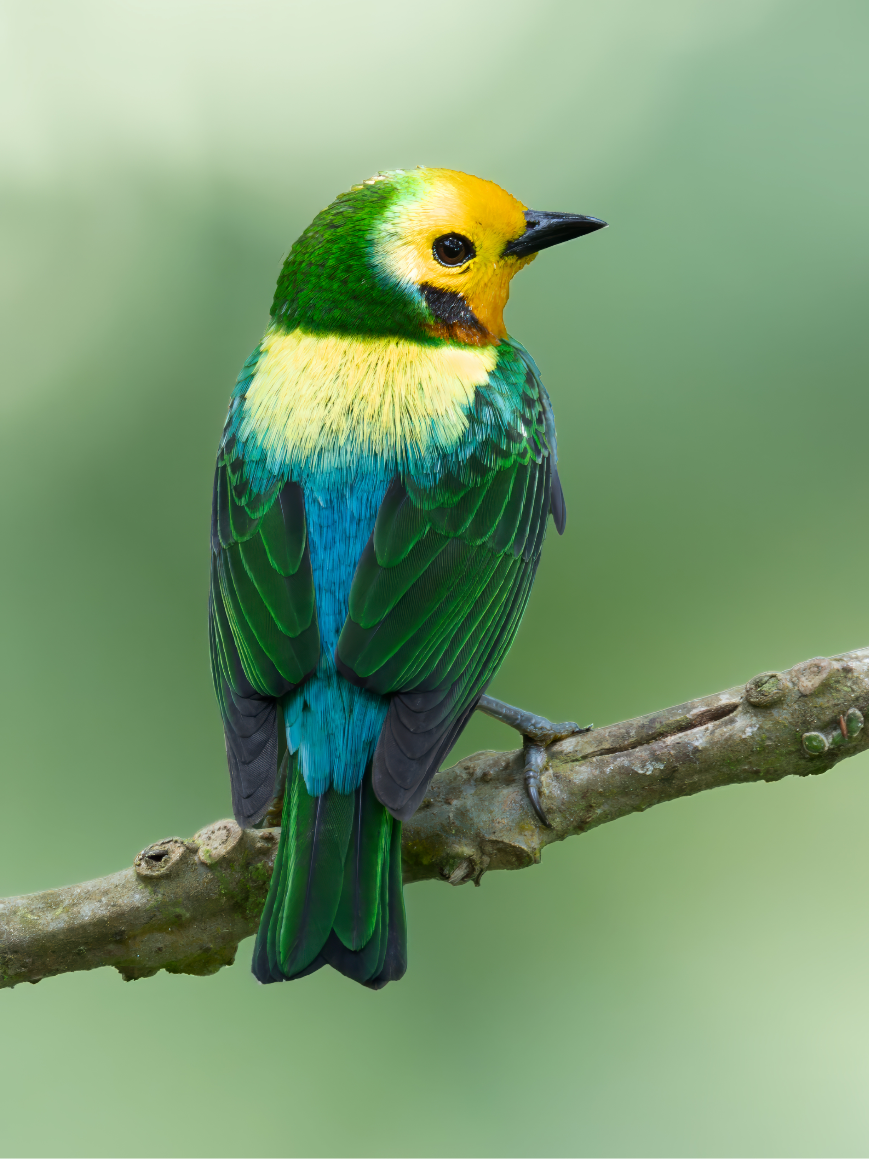
1. Multicolored Tanager (Chlorochrysa nitidissima)
One of Colombia’s most famous endemics, the Multicolored Tanager is a dazzling patchwork of yellow, blue, orange, and green. It’s classified as Vulnerable, but at KM18, patient birders often see them darting through mixed flocks or visiting fruit feeders.
Photography tip: These birds will visit feeders at ecolodges in the area but they move quickly. Position your lens (with settings dialed in already) on a frequented spot they tend to perch instead of chasing it around. Be patient, birds are creatures of habit!

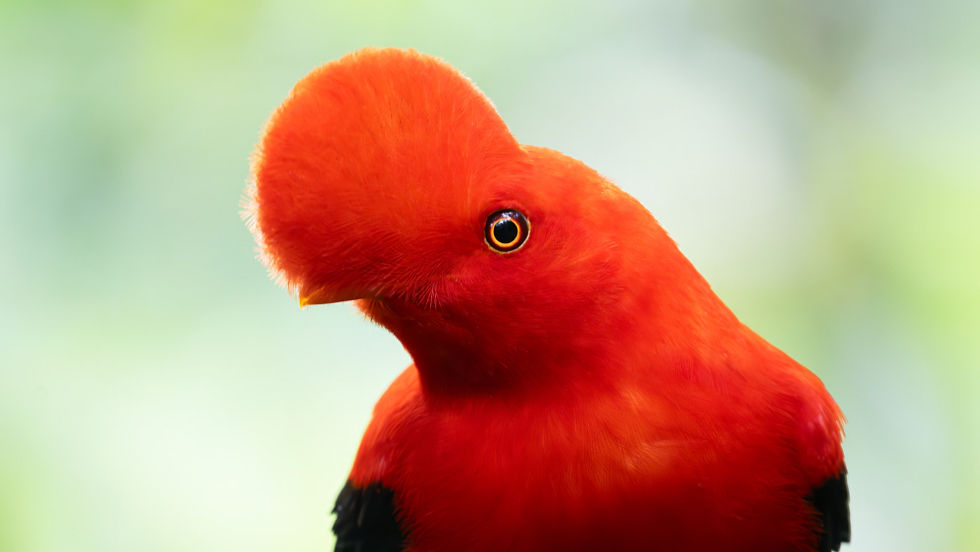
2. Andean Cock-of-the-Rock (Rupicola peruvianus)
If there’s a rock star of KM18, this is it. The male’s fiery orange crest and elaborate courtship displays at communal leks are unforgettable. They’re most active in the early morning, so set your alarm.
Photography tip: Use a high ISO and as low in low light—leks are often shaded and these moments only happen once a day in early morning. Shoot wide open and slowly lower your shutter speed. Many newer cameras have incredible in-body image stabilization. Image pictured here was captured at 1/13sec!
3. Crimson-rumped Toucanet (Aulacorhynchus haematopygus)
This emerald-green toucanet is easily recognized by its vivid crimson rump. At KM18, you’ll often see them at fruit feeders, especially during mid-morning when activity peaks. Their gentle calls make them easy to overlook until they swoop in.
Photography tip: Watch for eye-level perches near feeders for frame-filling shots.

4. Black-chinned Mountain-Tanager (Anisognathus notabilis)
A bright yellow belly, sky-blue wings, and the distinctive black chin patch make this tanager stand out in mixed flocks. It’s often confused with the Blue-winged Mountain-Tanager, which shares similar colors but lacks the black chin marking—an easy way to tell them apart in the field. These tanagers are often on the move with other highland species, so keep your binoculars ready.
Photography tip: Use center point metering to expose for the bird, not the background, so dark plumage keeps its detail without blowing out bright areas.

Black-chinned Mountain Tanager

Blue-winged Moutnain Tanager

5. Toucan Barbet (Semnornis ramphastinus)
This Chocó-endemic is like a living piece of abstract art—rich chestnut, lemon yellow, blue, and black arranged in bold blocks of color. Often heard before seen, it’s usually found in pairs, exchanging their distinctive, resonant calls in perfectly timed duets. Preferring the mid to upper canopy, the Toucan Barbet thrives in the humid forests of the western Andes, where fruiting trees draw them into view. Sightings near KM18 are a highlight for visiting birders, offering not just a visual treat but also the unique experience of hearing their harmonious calls echo through the cloud forest.
Photography tip: This bird will perch and hold still for a few minutes before moving. Faster shutter speeds may not be necessary. Watch for their expressive head movements.
6. Glistening-green Tanager (Chlorochrysa phoenicotis)
True to its name, this tanager glows in the right light. Its emerald plumage shimmers, with red highlights behind the eye. They move quickly through the canopy, often in the company of other tanagers. It blends in exteremly well with the dense green rainforest undergrowth and backdrop.
Photography tip: Overcast days bring out their rich green tones without harsh glare.

7. Andean Emerald (Uranomitra franciae)

This hummingbird’s sparkling green plumage and quick, darting movements make it a joy to watch. Common at KM18’s nectar feeders, the Andean Emerald often hovers in good light, giving photographers a chance to capture its iridescent tones. It’s a regional specialty that adds movement and energy to any morning of birding here.
Photography tip: Use a high shutter speed (1/2000s or faster) to freeze the wings, or slow it down slightly for motion blur in the background. Don't be afraid of noise- crank the ISO if needed for better autofocus! Image pictured to here was captured at ISO11,400!
Best Time to Birdwatch in KM18
While KM18 is productive year-round, early mornings offer the most activity and the softest light for photography. The dry season (roughly December–February and June–August) tends to bring more predictable sightings, but cloud forest birding always rewards patience.
Check our upcoming bird photography tours in Colombia to places like Cali and KM18! Tours are limited to 5 spots only, all-inclusive!
How to Plan Your Birding Trip to KM18

Getting there: From Cali, take the road toward Buenaventura; KM18 is clearly marked by roadside lodges and feeder stations.
Lodging: Several eco-lodges in the area cater to birders, offering on-site feeders and forest trails.
Guides: Not always necessary given the nature of some birding lodges with feeders very conveniently placed in close-range. However, for more elusive species like contingas, certain hummingbirds, low-elevation toucans, and other tanager varieties, local guides can help get you within range. Many lodges can set you up with a guide for the day OR reach out to us HERE and we can personally recommend some of our favorites!
Birding Etiquette & Conservation Tips

Keep noise to a minimum near active feeders or leks.
Stay on marked trails to protect fragile understory habitat.
Support local eco-lodges and guides—they play a key role in conserving KM18’s biodiversity.
No Flash Photography: Avoid using flash when photographing birds, as sudden bursts of light can startle them, disrupt their natural behavior, and potentially cause stress—especially in low-light environments like forests or during sensitive times such as lekking, feeding, or nesting.
Conclusion
KM18 is more than just a stop along the road—it’s a concentrated slice of Colombia’s birding magic. From endemic tanagers to dazzling hummingbirds, each visit offers something unforgettable. Feel free to download the KM18 Quick Guide below for reference on your next trip!
And if you're ready to see these birds for yourself, we invite you to book your guided Colombian birding tour with us today and let us show you the wonders of KM18!




Mình xem xổ số chủ yếu cho vui, kiểu biết thêm thông tin chứ không đặt nặng chuyện trúng đậm. Trước đây nghe bạn bè rỉ tai vụ bắt “cầu” này nọ, mình cũng thử để ý xem có gì hay không. Theo dõi một thời gian thì đúng là đôi lúc thấy vài dạng số lặp lại làm mình tò mò, nhưng mình vẫn tự nhắc phải tỉnh táo. Mỗi lần lướt mấy bài soi như https://soicauxsmb.io/soi-cau-xsmb-168.html mình thường ghi lại vài điểm đáng chú ý rồi chờ kết quả để đối chiếu, coi như kiểm tra xem mình có đang tự tưởng tượng quá không. Có hôm trúng chút thì vui, hôm khác trật hết cũng chẳng sao,…
Mình thỉnh thoảng cũng xem mấy bài soi cầu cho vui thôi, coi như một cách tập nhìn dàn số và đối chiếu lại cảm giác của mình. Hồi trước hay nghe người quen mách nước rồi ghi bừa, trượt thì khó chịu lắm, nên giờ mình ưu tiên đọc kiểu có giải thích, đúng sai gì cũng rút ra được cách họ lập luận. Có lần lướt thấy https://soicauxsmb.pro/ nói nhiều về chuyện chọn lọc theo chu kỳ, mình thử áp dụng theo hướng “gạn bớt” chứ không đặt niềm tin tuyệt đối, thấy đầu óc bớt bị cảm xúc dắt đi. Với mình mấy thứ này chỉ nên xem như tham khảo, tự đặt giới hạn và đừng…