

When Is the Best Time to Go Birding in Colombia?


Colombia holds the title of the most bird-rich country on Earth, with nearly 2,000 species — including over 80 found nowhere else. It’s no surprise that one of the most common questions travelers ask is:
“When is the best time to go birding in Colombia?”
The truth? Colombia is a year-round birding paradise. But depending on whether you want to maximize photography opportunities, target rare endemics, or catch migration, certain times of the year will fit your plans better than others.
Q: When is the best time to visit Colombia for birding?
The short answer: the dry seasons — December through March and July through September.
These months bring clearer skies, less rain, and easier travel conditions, which means better chances of hiking into reserves, more reliable feeders, and less worry about protecting your gear.
In contrast to bluebird days, cloudier weather is often better for birding since the cooler air keeps birds active and visible for longer. Even in Colombia’s dry season, you can expect cloud cover and misty mornings in the highlands, with occasional rain showers still passing through—though they’re less frequent and shorter than in the wetter months.

Q: Is Colombia good for birding year-round?
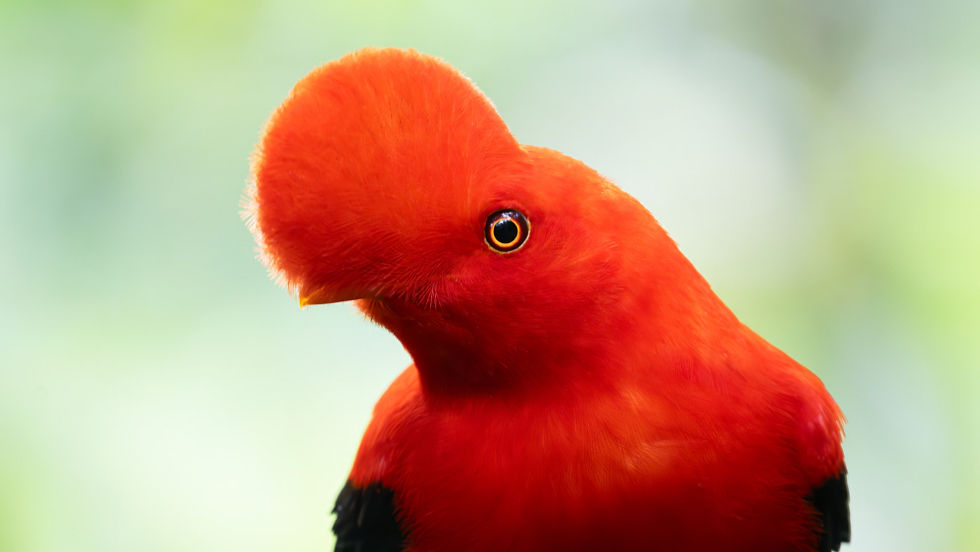
Yes — unlike temperate countries, Colombia’s birdlife doesn’t vanish in winter. Resident species, including many dazzling endemics like the Multicolored Tanager or Andean Cock-of-the-Rock, can be seen any time of year.
Different regions shine at different times:
Andes: Lively all year; easiest in the dry months (Dec–Mar, Jul–Sep).
Chocó (Pacific rainforest): Year-round birding; very wet most months with a relatively drier Jul–Sep window.
Amazon (Leticia region): Good all year; best access Jul–Sep (lower water, fewer storms).
Santa Marta Mountains: Driest Dec–Apr—prime season for Santa Marta endemics.


Q: When is bird migration season in Colombia?
Twice a year, Colombia becomes a corridor for migrating species:
March–May
September–November
During these windows you’ll see North American warblers, raptors, and shorebirds moving through — a perfect bonus to the country’s already staggering resident bird list.

Q: Which season is best for bird photography?

The dry seasons win again here: trails are accessible, light is more predictable, and your camera equipment stays safer.
That said, Colombia’s cloud forests — in the Andes and Chocó — provide soft, diffused light that can make for spectacular images even in rainy months. Hummingbird feeders and fruit stations are reliable year-round and especially active right after rains.
While sunny skies may seem ideal, bird activity often peaks on cloudy or misty days. Cooler, overcast conditions keep birds active longer into the morning and afternoon, while soft light makes colors pop beautifully in photos. In contrast, on hot, bright days many species retreat to the shade or become less visible during midday.


Q: So, when should I plan my birding trip to Colombia?
It depends on your goals:
First-time birder or photographer: Pick the dry season (Dec–Mar or Jul–Sep).
Migrants fan: Travel in Mar–May or Sep–Nov.
Endemic hunter: Any time of year, just choose the right region.

Final Thoughts
There isn’t a bad time to bird in Colombia — the real question is what you want to see. Whether it’s photographing hummingbirds in the Andes, chasing endemics in the Chocó, or exploring the vast Amazon, Colombia delivers unforgettable birding year-round.
One last tip: no matter when you come, pack for wet weather. A rainjacket and wide brimmed hat will go far. You’re birding in a RAINforest after all — a surprise shower (or two) is part of the adventure!
Ready to plan your next birding photo trip? Explore our Cali Bird Photography Tour or reach out — we’d love to help you choose the perfect time for your birding journey in Colombia!

RApid FAQ summary:
Best Time for Birding in Colombia
Q: When is the best time to visit Colombia for birding?
The best time is during the dry seasons, December–March and July–September, when trails are easier to access and conditions are ideal for bird photography.
Q: Is Colombia good for birding year-round?
Yes — Colombia’s birds don’t migrate away in winter. You can see spectacular species, including many endemics, in every season.
Q: When is bird migration in Colombia?
Migration occurs mainly in March–May and September–November, when warblers, raptors, and shorebirds pass through.
Q: Which region is best at which time?
Andes (Cali / KM18 / Doña Dora): Best December–March and July–September — drier, clearer trails, more predictable light.
Chocó (Pacific rainforest): Year-round birding; heaviest rain most months, with a relatively drier window July–September.
Amazon (Leticia region): Best July–September for accessibility (lower water, fewer storms), though birding is good all year.
Santa Marta Mountains: December–April is the driest period and the prime season for endemics.



Comments